
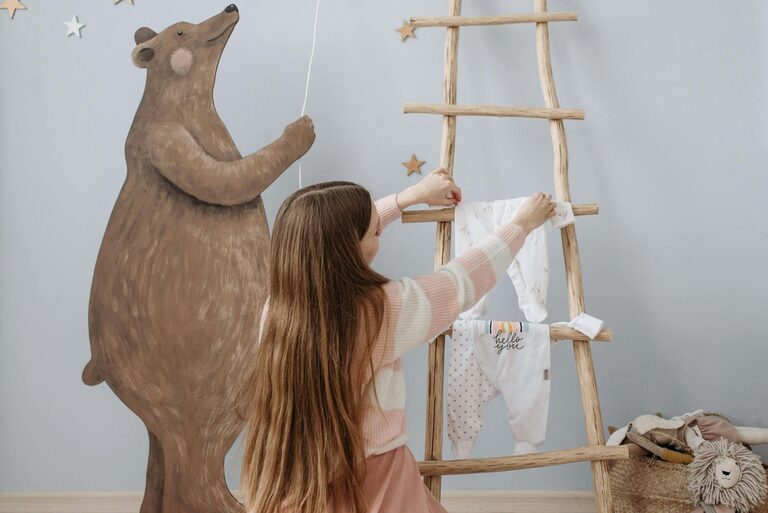
Every parent knows how quickly children’s artwork can pile up—paintings, drawings, craft projects, and colorful creations can fill every corner of your home. While these precious pieces are a wonderful way to track your child’s creativity and growth, they can also create clutter if not managed well. Organizing kids’ art can feel overwhelming, but with a few simple strategies, you can keep these treasures neat and accessible.
In this post, we’ll explore effective tips to help you organize your children’s artwork, preserve memories, and maintain a clutter-free home.
Why Organize Kids’ Art?
Kids’ art is more than just scribbles; it represents creativity, learning, and development. Keeping these items organized:
– Helps you preserve special memories
– Reduces clutter and stress
– Encourages children to take pride in their work
– Makes it easy to share art with family and friends
Create a Dedicated Art Space
Having a designated area for your children’s artwork can prevent it from spreading throughout the home.
Set Up an Art Station
– Use a small table or desk for drawing and crafting.
– Store supplies like crayons, markers, scissors, and paper within reach in bins or drawers.
– Display ongoing projects or recent creations on a bulletin board or string clips.
Use Display Walls or Frames
– Install a corkboard or magnetic board to showcase current favorites.
– Use frames designed for rotating artwork, so you can swap pieces regularly.
– This approach not only organizes but also celebrates your child’s creativity.
Sort Artwork Regularly
Organizing art is easier when done consistently.
Weekly or Monthly Review
– Set aside time with your child to go through new pages and projects.
– Choose which pieces to keep, recycle, or gift.
– This teaches decision-making and helps manage the volume.
Categorize Art
– Group by date, theme, type (painting, drawing, craft), or child if you have multiple artists.
– Use folders, boxes, or digital albums organized by these categories.
Storage Solutions for Physical Art
Choosing the right storage method keeps artwork safe and easy to find.
Portfolio Folders and Binders
– Large, flat portfolio folders are ideal for storing drawings and flat pieces.
– Use binders with plastic sleeves to prevent damage and allow easy flipping through pages.
Art Storage Boxes
– Clear plastic bins or colorful storage boxes keep three-dimensional projects safe.
– Label boxes with dates or child’s name.
Filing Cabinets or Accordion Files
– Use these for sorting smaller pieces.
– Label each section clearly.
Digital Archiving
Digitizing artwork is a space-saving solution and makes sharing easy.
Take Photos or Scans
– Photograph 3D projects and larger pieces.
– Scan flat artwork for high-quality digital copies.
Use Apps and Online Storage
– Apps like Artkive or Keepy help organize and store art digitally.
– Cloud storage services (Google Drive, Dropbox) safeguard images and allow access from anywhere.
Create Digital Albums or Slideshows
– Compile art images into digital photo books.
– Share collections with family via email or social media.
Repurpose Artwork Creatively
Turn art into meaningful keepsakes or gifts, reducing the amount stored.
Make a Photo Book or Calendar
– Use digital images to create personalized photo books or calendars for grandparents or relatives.
Use Art in Home Decor
– Turn children’s paintings into framed wall art.
– Create greeting cards, wrapping paper, or gift tags using scanned images.
Crafts and DIY Projects
– Laminate drawings to create placemats.
– Use art scraps for collages or scrapbook pages.
Involve Your Children
Encouraging kids to participate in organization teaches responsibility and pride.
Let Them Choose Favorites
– Ask your child which pieces mean the most to them.
– Create a “gallery” where they decide what is displayed and when to rotate.
Make Organizing a Fun Activity
– Use colorful labels and stickers.
– Turn sorting and storing into a game.
Tips to Prevent Clutter Overload
Set Limits
– Agree on how many pieces to keep each month or school term.
– Use a designated container that, once full, requires choosing what to remove.
Regularly Declutter
– Revisit stored art every few months or yearly.
– Keep only the most meaningful or representative works.
Communicate with Caregivers and Teachers
– Ask teachers if they can send artwork digitally.
– Coordinate with relatives to avoid duplicate keepsakes.
Final Thoughts
Organizing kids’ art doesn’t have to be a daunting chore. By setting up dedicated spaces, sorting regularly, using smart storage solutions, and embracing digital archiving, you can cherish your children’s creative journey without feeling overwhelmed by clutter. Remember, the goal is to celebrate creativity and preserve memories in a way that works for your family and home.
A little effort goes a long way in turning piles of paper into treasured keepsakes you and your children will appreciate for years to come.